
Amazon Business Prime Australia: what it means for enterprise purchasing and IT tail spend
Amazon Business Prime has launched in Australia, creating new options for managing decentralised IT and operational tail spend. This article looks at where it adds value, where it doesn’t, and how procurement teams should approach implementation.
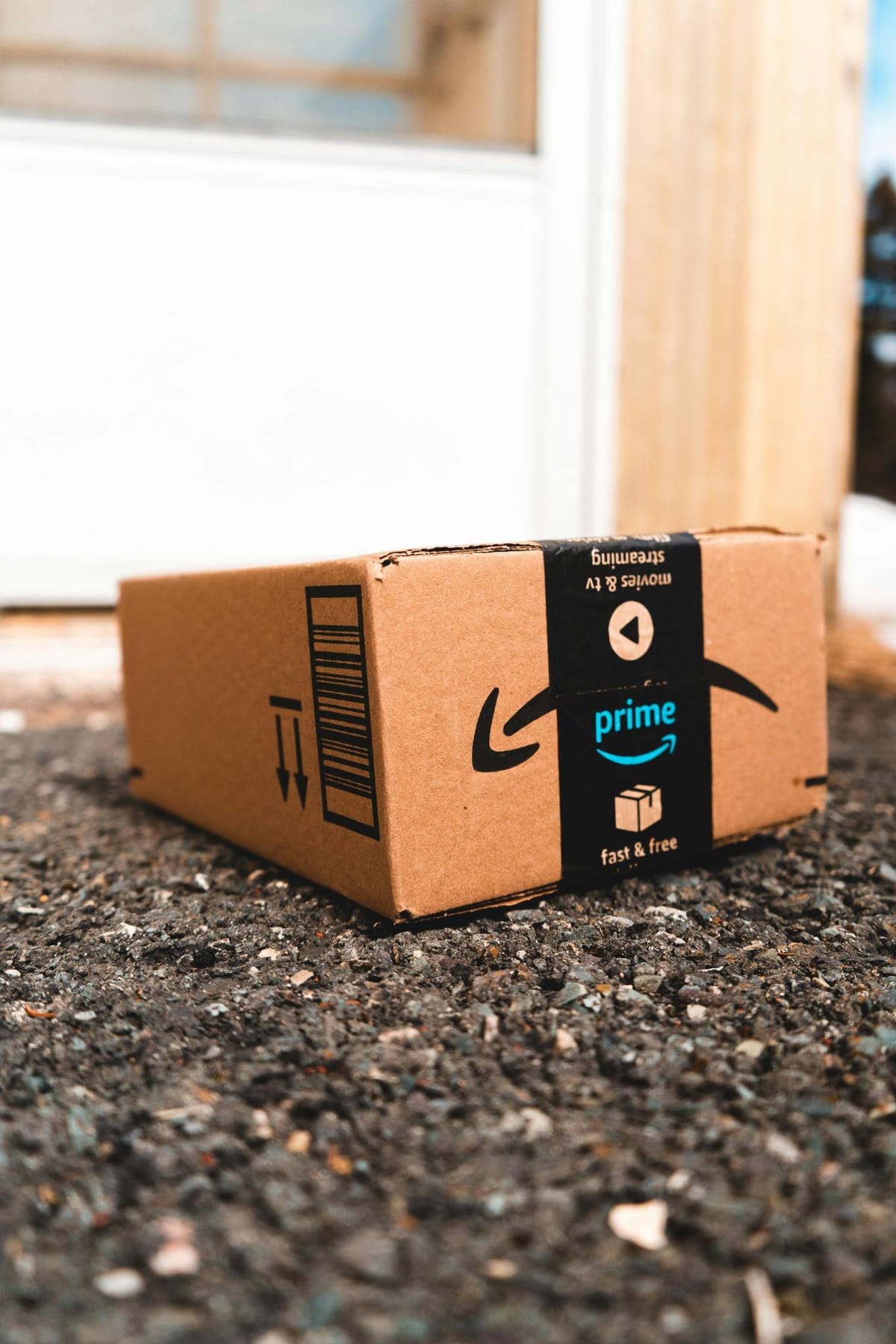
Amazon Business Prime is now available in the Australian market. While the platform itself is not new globally, its local launch introduces a material shift in how organisations can manage operational and IT-related tail spend.
For Australian procurement teams, Amazon Business Prime is best viewed as an enterprise purchasing channel rather than a category-specific solution. It can be applied across operational goods, consumables, facilities items, corporate equipment and IT-related purchases, particularly where buying activity is decentralised and difficult to govern efficiently.
IT purchasing is often where the impact is felt first, but it is not the only area where value can be realised.
Where the impact is often felt first: IT tail spend
In most Australian organisations, ICT overspend takes many forms. Items such as monitors, docking stations, cables, peripherals, adapters and replacement equipment are frequently purchased on an ad hoc basis.
Individually, these purchases appear insignificant. Collectively, they represent a substantial volume of unmanaged spend that sits below formal sourcing thresholds and outside strategic supplier arrangements.
This type of purchasing behavior is a common contributor to long-term ICT overspend in growing organisations. I’ve covered other forms of IT Overspend in more detail in:
Supplier consolidation is where the real value emerges
One of the most material outcomes observed in other markets is vendor consolidation.
When Amazon Business Prime is implemented as an approved purchasing channel, organisations often identify hundreds, and in some cases thousands, of low-value suppliers that exist solely to service one-off or infrequent purchases across multiple categories.
Routing this spend through a single platform allows organisations to:
- materially reduce tail spend vendor counts
- lower supplier onboarding and compliance activity
- reduce invoice volumes and reconciliation effort
- improve visibility across purchasing categories, including IT
The benefit is twofold. Vendor fragmentation and administrative overhead are reduced, and organisations may also benefit from business pricing on retail items over time. While pricing outcomes vary by category and volume, the cumulative impact can be meaningful in environments with large tail spend profiles.
Governance matters more than the platform itself
A key risk is unmanaged adoption.
If Amazon Business Prime is introduced without clear procurement governance, teams are likely to adopt it organically due to speed and familiarity. This can result in parallel purchasing channels, inconsistent approval pathways, and spend visibility without effective commercial oversight.
To avoid this, Amazon Business Prime should be positioned as a procurement channel, not simply a supplier. Clear rules should be defined around eligible categories, approval thresholds, and exclusions where preferred supplier agreements already exist.
From a systems perspective, Amazon Business can integrate with common procurement and finance platforms and supports punchout functionality. This allows purchases to be initiated through existing procure-to-pay workflows, approvals to remain intact, and spend data to flow back into core systems, rather than creating a disconnected buying channel.
When implemented this way, organisations retain control without slowing the business down.
Not a substitute for strategic sourcing
Amazon Business Prime is not intended to replace:
- enterprise hardware agreements
- managed service providers
- strategic IT supplier relationships
- complex technology sourcing exercises
Attempting to use it in this way typically introduces risk rather than value.
Its strength lies in simplifying procurement for repeatable, low-risk purchases that do not justify a full sourcing exercise each time they occur.
Why this changes expectations, not just process
Organisations have long struggled to balance governance and agility across indirect procurement.
Highly restrictive controls tend to drive non-compliant behaviour, while overly permissive models lead to vendor sprawl and limited visibility.
When configured appropriately, Amazon Business Prime can provide:
- category-level controls
- approval workflows aligned to spend value
- consolidated billing
- improved reporting and transparency
This enables procurement teams to reduce friction for the business while retaining oversight.
Deliberate implementation separates value from noise
The organisations that extract the most value from Amazon Business Prime take a deliberate implementation approach.
They clearly define which purchases flow through the platform, actively use it to reduce supplier sprawl, and monitor usage patterns over time.
Organisations that allow adoption to occur informally often struggle to retrofit governance once purchasing behaviour has already shifted.
Directional change in enterprise procurement
While adoption of Amazon Business Prime is optional, the shift it represents is not.
Business expectations around speed, simplicity, and transparency in purchasing continue to evolve. Platforms like Amazon Business Prime reflect this change and will increasingly influence how purchasing decisions are made at an operational level.
For organisations reviewing indirect procurement, IT tail spend, or vendor consolidation opportunities, Amazon Business Prime is often worth assessing as part of a broader procurement review.
This article reflects general procurement and commercial observations and is not legal or financial advice. Each organisation’s purchasing profile and governance requirements differ.