
Why "Just Using ChatGPT" Is Not an Enterprise AI Strategy
Why the “just use ChatGPT” question breaks down once AI is used for real work, and what changes when organisations move from consumer tools to enterprise AI.
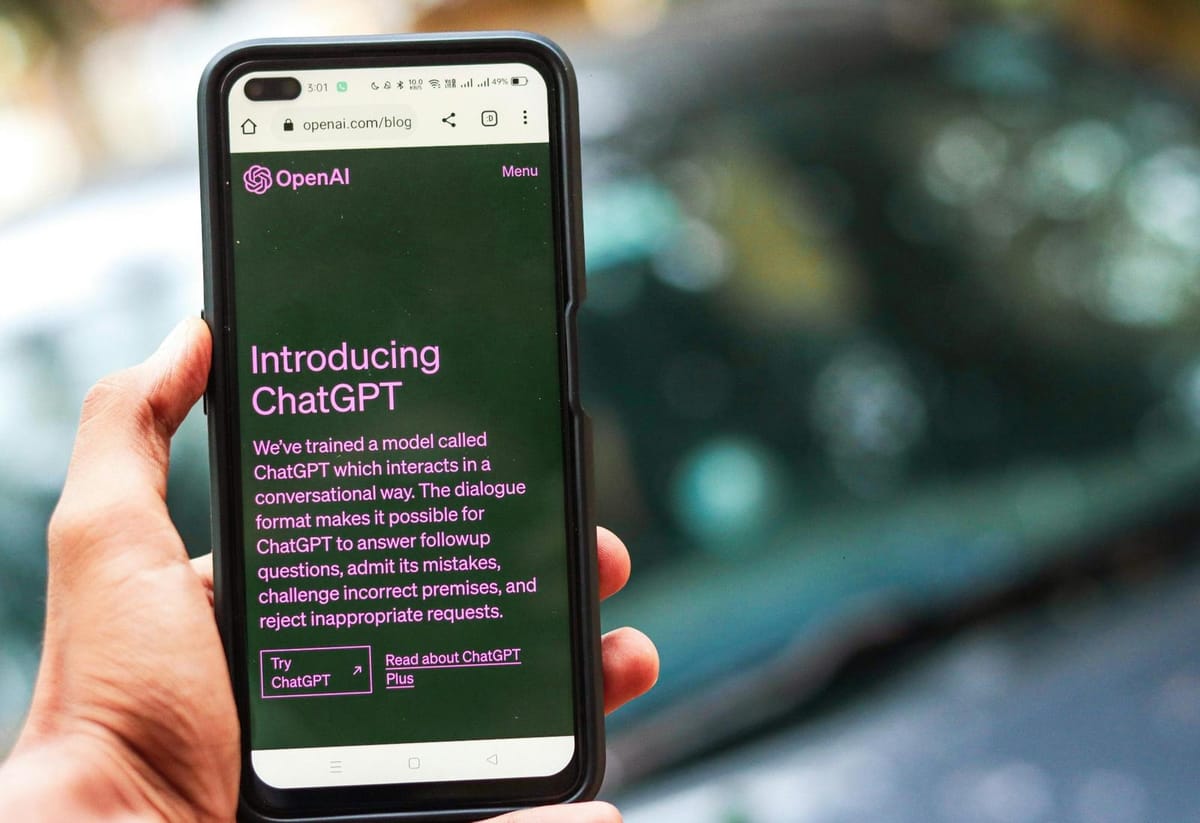
The CTO gets the question every week now. Different people, same question: why can't staff just use ChatGPT? It's free. It works. Everyone's already using it anyway. Why does the organisation need to spend money on enterprise AI when the free version does the same thing?
This article is written for IT, finance, procurement, and business leaders in Australian organisations who are trying to work out whether enterprise AI is actually different from the free tools staff are already using.
The short answer is that ChatGPT and enterprise AI are not the same thing, even when they use the same underlying models. The difference is not about features. It is about what happens to your data, who owns the work your staff create, and what occurs when something goes wrong.
What happens to data in the free version
Consumer AI tools operate under terms that may allow data to be retained, processed, or used in ways that are not always compatible with organisational expectations. The distinction tends to matter most when staff begin using these tools for work that involves customer information, financial data, or proprietary methods.
If an employee pastes a customer email into a consumer AI tool to draft a response, that data has left your organisation's direct control. If someone uploads a financial model, or asks the tool to help structure a proposal using your organisation's approach, the question of where that information resides and who has access to it becomes relevant.
Most organisations have policies that restrict sharing this type of information with external parties without authorisation. But if IT has not provided an alternative, staff will use the tools that make them productive. They do not realise they are breaching policy. They think they are using a search engine.
Enterprise AI platforms are typically structured to prevent vendor use of customer data for model training. Conversations remain within a contractual boundary. The data is not used to improve the product for other customers. This is the distinction between a general consumer service and a business tool designed for environments where data handling carries consequence.
Why audit trails matter when something goes wrong
Consumer AI tools generally do not provide audit logs. If something goes wrong, there is no record of who asked what, when, or what the system returned. If a staff member generates something inappropriate, defamatory, or factually wrong and shares it with a customer or uses it in a decision, the organisation has no mechanism to investigate what occurred.
Enterprise AI platforms provide logs. You can see who used the system, what they asked, and what was generated. When a complaint is made, when a regulatory question arises, or when something fails, you can reconstruct what happened. This matters less for monitoring staff and more for being able to respond when things go wrong.
Australian organisations operating under privacy laws, records management obligations, or sector-specific regulations are expected to demonstrate what data has been processed and by whom. Consumer AI tools are not designed to support these obligations. Enterprise versions are, because they are built for organisations that must demonstrate accountability, and can allow for the appropriate enterprise AI governance frameworks to be place
What happens when the output is wrong
AI generates plausible-sounding content. Sometimes that content is wrong. If a staff member relies on an AI tool to draft a contract clause, summarise a regulation, or provide technical guidance, and the output is incorrect, the organisation carries the liability.
Consumer AI tools provide no support, no service level agreement, and no recourse if the output causes harm. If a customer is given wrong information, if a decision is made based on incorrect analysis, or if a legal document contains errors, the organisation manages the consequence alone.
Enterprise AI contracts typically define service levels, support obligations, and in some cases liability provisions. They do not eliminate the risk of incorrect outputs, but they create a framework for managing that risk. Issues can be escalated. Vendors can be required to investigate failures. Terms can be negotiated to align with organisational risk appetite.
Why integration matters at scale
When a single employee uses a consumer AI tool, the lack of integration is manageable. When 500 employees need to use AI as part of their daily workflow, the limitations become structural.
Enterprise AI platforms integrate with existing systems. They connect to identity management, so access can be controlled based on roles and permissions. They work with security tools, so unusual activity can be detected. They can be embedded into applications, so staff do not need to leave the tools they already use.
Consumer AI tools are standalone services. Staff must access them separately. They log in with personal accounts. There is no mechanism to control who has access or what they do with it. This creates governance, security, and productivity problems when deploying AI across an organisation rather than supporting individual experimentation.
What happens when staff leave
When staff use consumer AI tools with personal accounts, organisations have no control over what happens when those staff leave. Conversation history, which may contain confidential information, remains accessible to the individual. It cannot be deleted, retrieved, or audited by the organisation.
Enterprise AI platforms allow central account management. When someone leaves, their access is revoked. Their data can be retained or deleted according to policy. The organisation maintains control over its information even after staff move on.
This is not theoretical. Staff turnover is normal. Every time someone leaves, they take with them whatever they stored in tools linked to personal accounts. If those tools contain customer data, strategic information, or intellectual property, control of that information has been lost.
Why "everyone is already using it" is not an argument
The fact that staff are already using consumer AI tools does not validate their use for enterprise purposes. It indicates that IT has not provided an alternative that meets their needs.
Staff use the tools that make them productive. If the organisation has not deployed enterprise AI, they will use consumer AI. They are not trying to circumvent policy. They are trying to do their jobs. But their use of unauthorised tools creates risk the organisation must manage.
Organisations that address this pattern tend to deploy enterprise AI solutions that give staff the capability they need within a framework that manages data privacy, security, compliance, and liability. Blocking consumer tools without providing an alternative typically just moves the problem into less visible parts of the organisation.
What enterprise AI costs compared to the risk
Enterprise AI costs more than free consumer tools. It costs less than the consequence of a data breach, a compliance failure, or a liability claim that results from uncontrolled use of AI by staff who do not understand the risks they are creating.
The cost of enterprise AI sits alongside other investments organisations make in security, privacy, and risk management. The trade-off is not between free and paid. It is between managed risk and unmanaged risk.
Organisations that struggle with this decision often do so because they are comparing the visible cost of an enterprise platform against the invisible cost of risks that have not yet materialised. The question is not whether enterprise AI costs more than free tools. The question is whether the organisation can sustain the operational, legal, and reputational exposure created when staff use consumer AI for business purposes without oversight, audit trails, or contractual protections.
For organisations navigating these trade-offs, the pattern that tends to emerge is similar to what occurs in broader enterprise AI sourcing decisions: the choice made early, often during pilots or informal experimentation, becomes harder to reverse once the capability is embedded in workflows and decision-making processes.
This article provides general commercial and procurement commentary only and does not constitute legal, financial, or professional advice.